












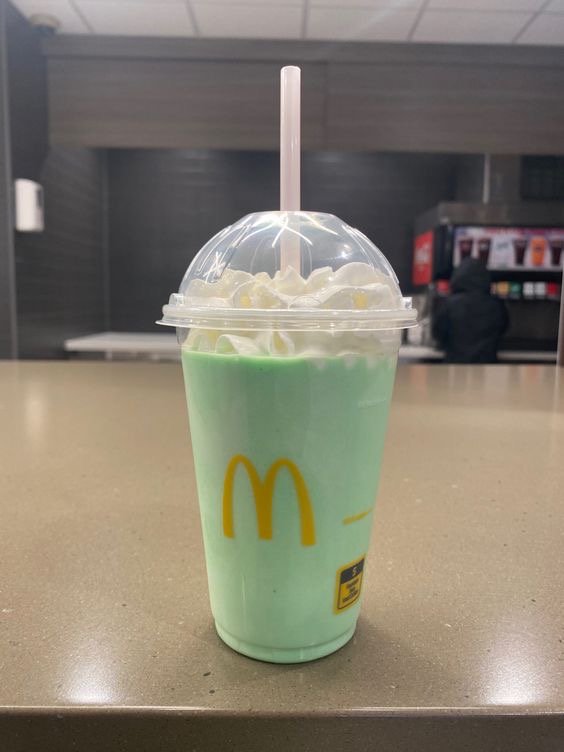
Every March, everything turns green, whether it is March Madness or even a classic Shamrock Shake; it all contributes to brightening the holiday. People who may not have even set foot in Ireland suddenly care deeply about shamrocks, leprechauns, and wearing the iconic green color to avoid being pinched. Most people are not even celebrating St. Patrick’s Day in any meaningful or culturally appropriate way, yet people still participate. The question is why.
Psychologists suggest that holidays may act as social anchors, and according to Psychology Today and the American Psychological Association, humans are wired to seek belonging and shared, mutual meaning. Holidays, even loosely celebrated ones like St. Patrick’s Day, provide a low-effort way to feel connected to others. Therefore, it is not required to have deep knowledge or have traditions within the holiday, since all is needed is to simply show up in some small, yet visible way.
There is also some sense of comfort in the predictability of the holiday as holidays break the routine of daily life without demanding much from us. Whether it is simply wearing green, posting a themed or holiday-appropriate photo on a social platform, or even joking about the day, all offer a sense of freshness while life stays relatively familiar. The brain likes that balance, as it grants stimulation without stress.
Finally, these holidays will permit us to celebrate without feeling the need to commit. They are there solely for the purpose of being symbolic rather than personal. Therefore, it makes it eligible for the world to enjoy the aesthetic, jokes, or even the atmosphere that the holiday provides without needing to properly claim the culture as our own. Globally, the world responds to the need for connection, mutuality, and a reason to feel a part of something, even if it is just for a day.