








When students transfer schools, they often anticipate new teachers and unfamiliar hallways. What they may not expect is how dramatically the overall rhythm of daily life can change depending on location. The differences between Passaic County Technical Institute (PCTI) in New Jersey and HAHS in Pennsylvania demonstrate how geography, structure, and institutional focus shape two distinctly different high school experiences.
The contrast begins with the setting. PCTI operates within a busy urban environment where the student body reflects significant cultural and socioeconomic diversity. The hallways are fast-paced, and students represent a wide range of backgrounds, perspectives, and experiences. That diversity influences classroom discussions and social dynamics, contributing to a vibrant and multifaceted school culture. HAHS, by comparison, reflects a quieter, more rural atmosphere. The smaller population and close-knit community create an environment where many students have longstanding connections, fostering familiarity and a strong sense of local identity.
A visible distinction between the two schools is the dress code. PCTI requires students to wear uniforms, creating visual consistency and reinforcing institutional structure. The uniform policy minimizes distractions related to clothing and promotes a collective identity. At HAHS, students are permitted to wear everyday attire, allowing for greater individual expression. Though subtle, this difference contributes meaningfully to each school’s cultural tone.
Academic programming further separates the two institutions. PCTI offers an extensive selection of Career and Technical Education (CTE) programs, commonly referred to as shop classes. These programs provide hands-on instruction in fields such as healthcare, technology, cosmetology, and skilled trades, enabling students to explore career pathways and, in some cases, earn certifications before graduation. One example is the Criminal Justice program, which allows students to study topics related to law, policing, and the legal system while still in high school. However, similar opportunities are not always directly transferable between schools. The BCTC program available to students at HAHS operates under a different structure and set of offerings, meaning that students who previously participated in certain CTE programs may not always be able to continue the same track after transferring.
Daily schedules also reveal clear structural differences. At PCTI, students typically board buses around 7:00 a.m., arrive at approximately 7:40, and begin first period at 8:10. Dismissal occurs at 2:56 p.m., though extended bus routes often mean students do not arrive home until close to 4:00. At HAHS, students board buses around 7:10 a.m., arrive by 7:20, and begin homeroom at 7:30. Dismissal takes place at 2:25 p.m., and most students are home by approximately 2:35, creating a noticeably shorter and more direct commute. This difference in transportation time significantly alters the pace and structure of each afternoon.
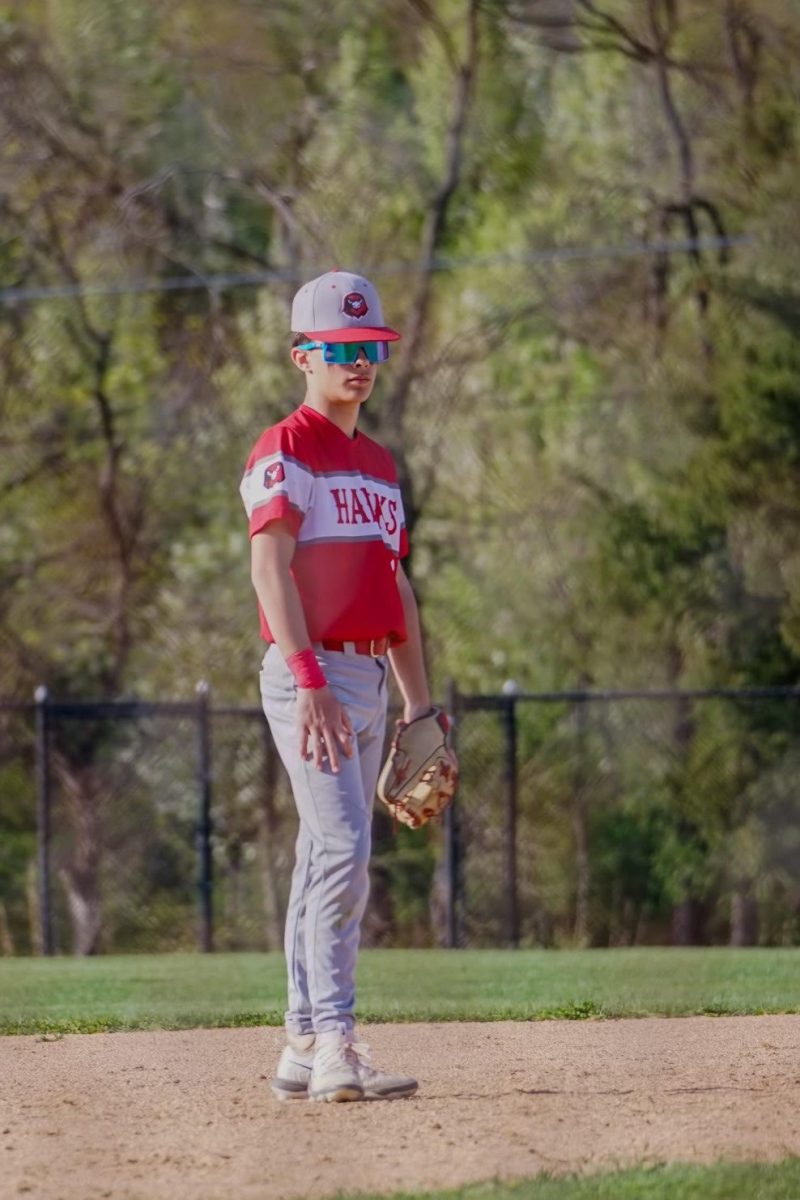
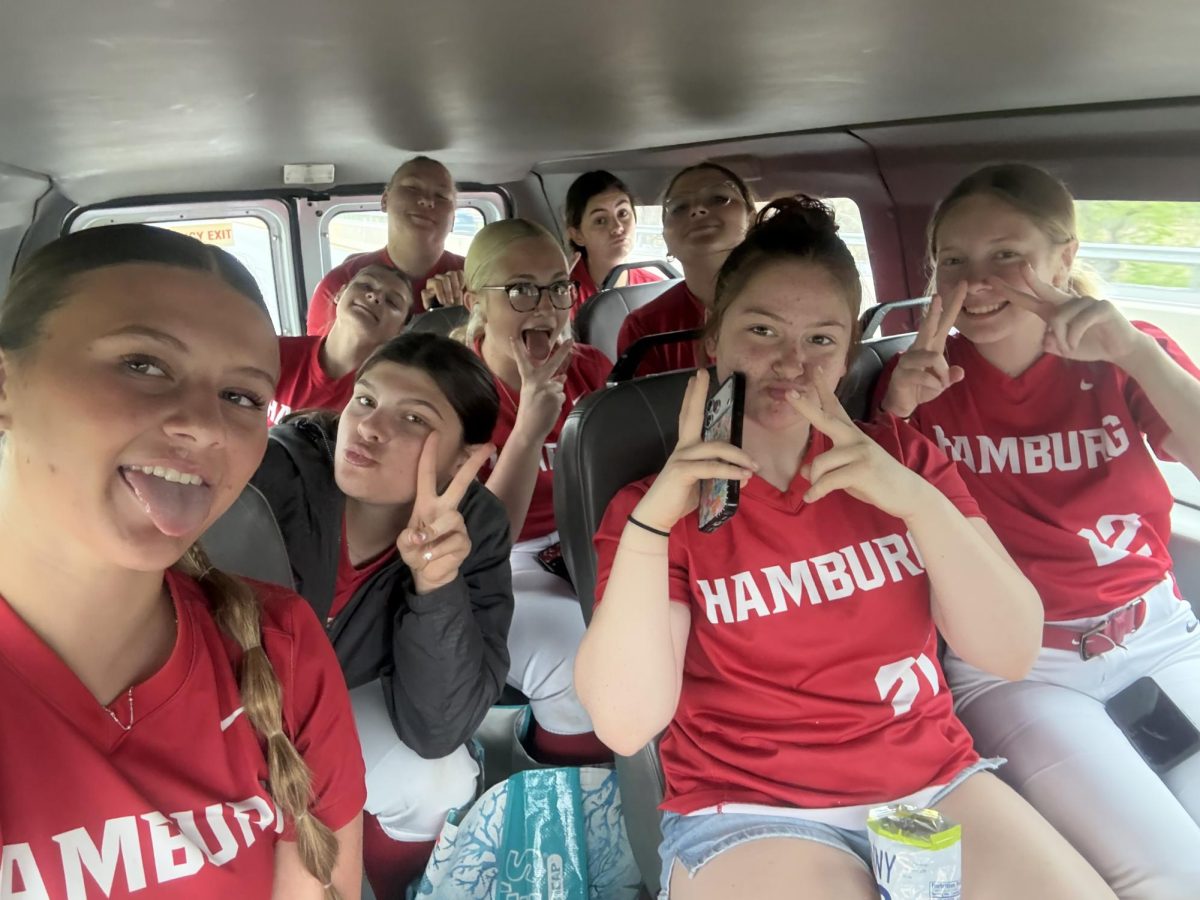
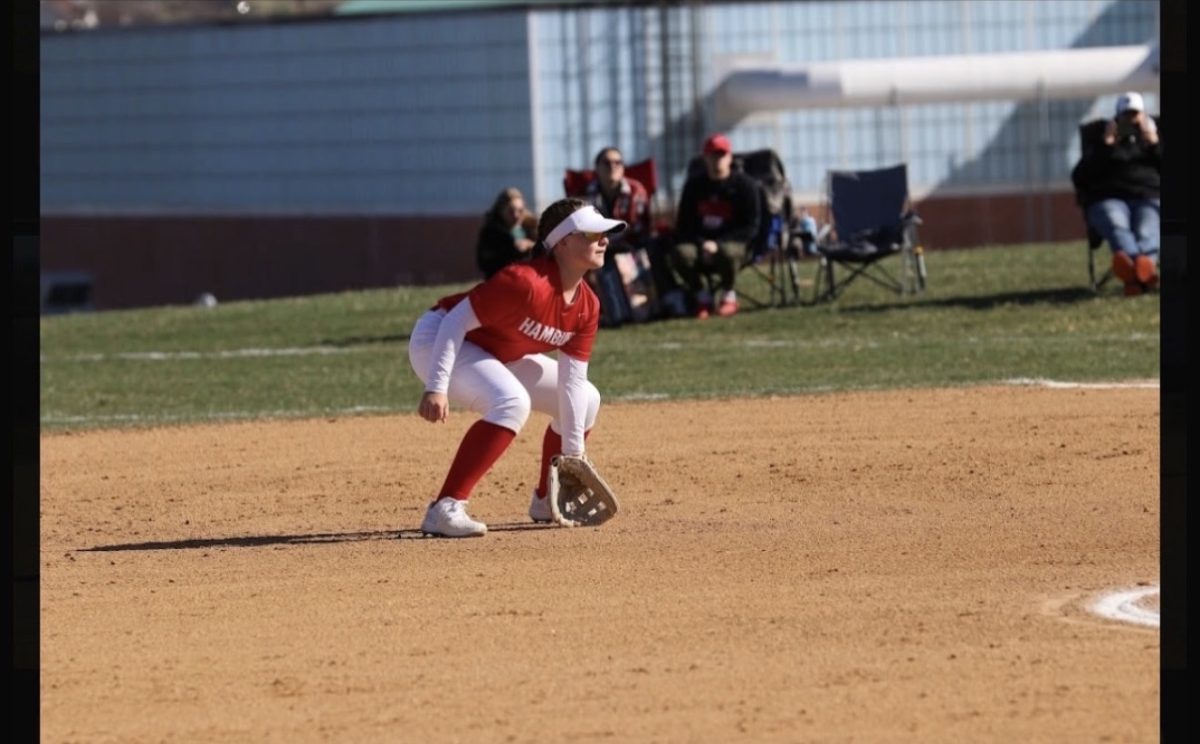
Extracurricular opportunities exist at both schools, though scale shapes the experience. PCTI’s larger enrollment supports a wide variety of clubs and programs, offering numerous avenues for student involvement. HAHS, while smaller, maintains strong participation in athletics and extracurricular activities, often fostering a more intimate sense of school spirit and community engagement.
Ultimately, the comparison between PCTI and HAHS underscores how the environment influences education. A city-based technical institute emphasizes diversity, specialization, and expansive opportunity, while a rural high school prioritizes familiarity, efficiency, and community cohesion. Each model reflects the character and needs of the community it serves, illustrating how educational experiences can vary significantly across state lines.