














The holiday season in Germany is full of traditions that make this time of year very special. While American schools often celebrate with decorations, concerts, or holiday spirit week, the focus in Germany is more on family, home, and community. December is one of the most festive months of the year, and almost every town and school take part in small traditions that bring people together.
One of the first big traditions is St. Nikolaus Day on December 6. The night before, children clean their shoes and leave them outside their door. When they wake up, they find chocolate, nuts or small gifts inside, placed there by Nikolaus. This tradition is especially fun for younger students and marks the beginning of the Christmas season.
Another very popular custom is the Advent calendar. It counts down the days to Christmas, with one small surprise behind each door for every day from December 1 to 24. Some contain chocolate, others small gifts or pictures. In many German homes and classrooms, there is also an Advent wreath with four candles one of each Sunday before Christmas. Families light a new candle each week, often while drinking hot chocolate or eating homemade cookies called Platzchen.
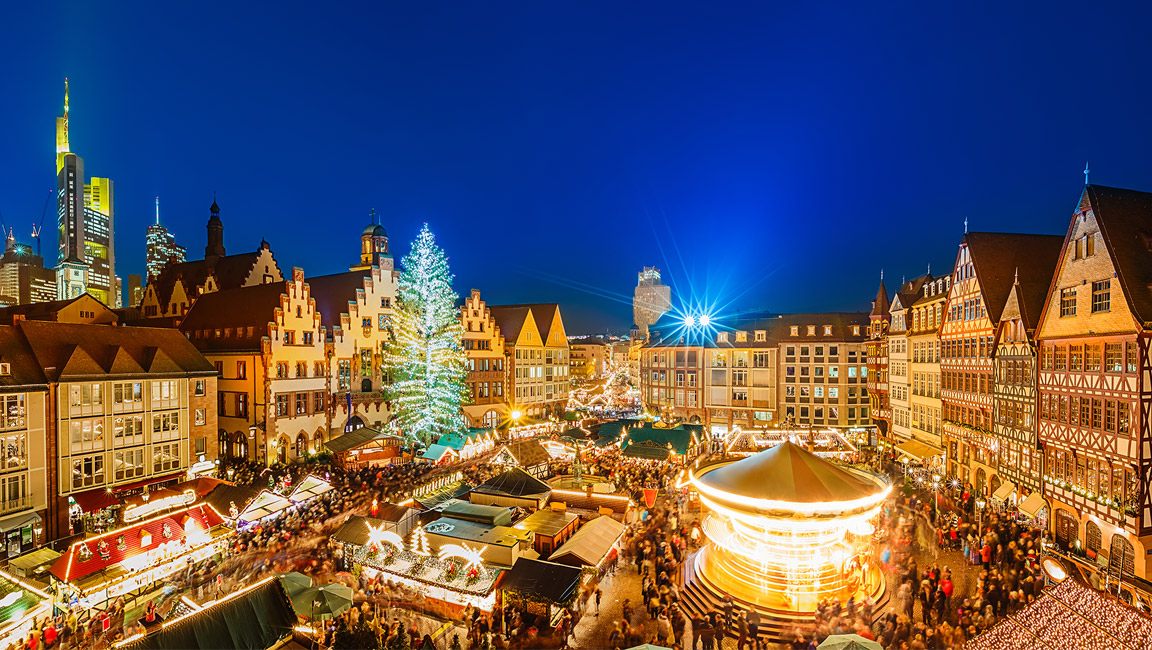
A big part of German Christmas culture are the Christmas markets, which open in almost every town from late November until Christmas. These markets are filled with small wooden stalls selling gifts, ornaments, and delicious food like roasted nuts, gingerbread, and sausage. People go there to meet friends, drink hot Kinderpunsch or Gluhwein (for adults), and enjoy the lights and music. It is one of the most loved holiday traditions in Germany.
Schools in Germany also take part in the season, but usually in smaller ways than in the U.S. Some classes make Christmas crafts, bake cookies, or have small class parties before the holidays. There are no big parades or school- wide celebrations, but students still enjoy the festive mood.
In both Germany and the U.S., the holidays are a time for kindness and connection, but the traditions show how each country celebrates in its own way. In Germany, the season feels cozy and traditional, while in the U.S. it feels cheerful and full of energy. Experiencing both helps students see how different cultures celebrate the same special time of year.