
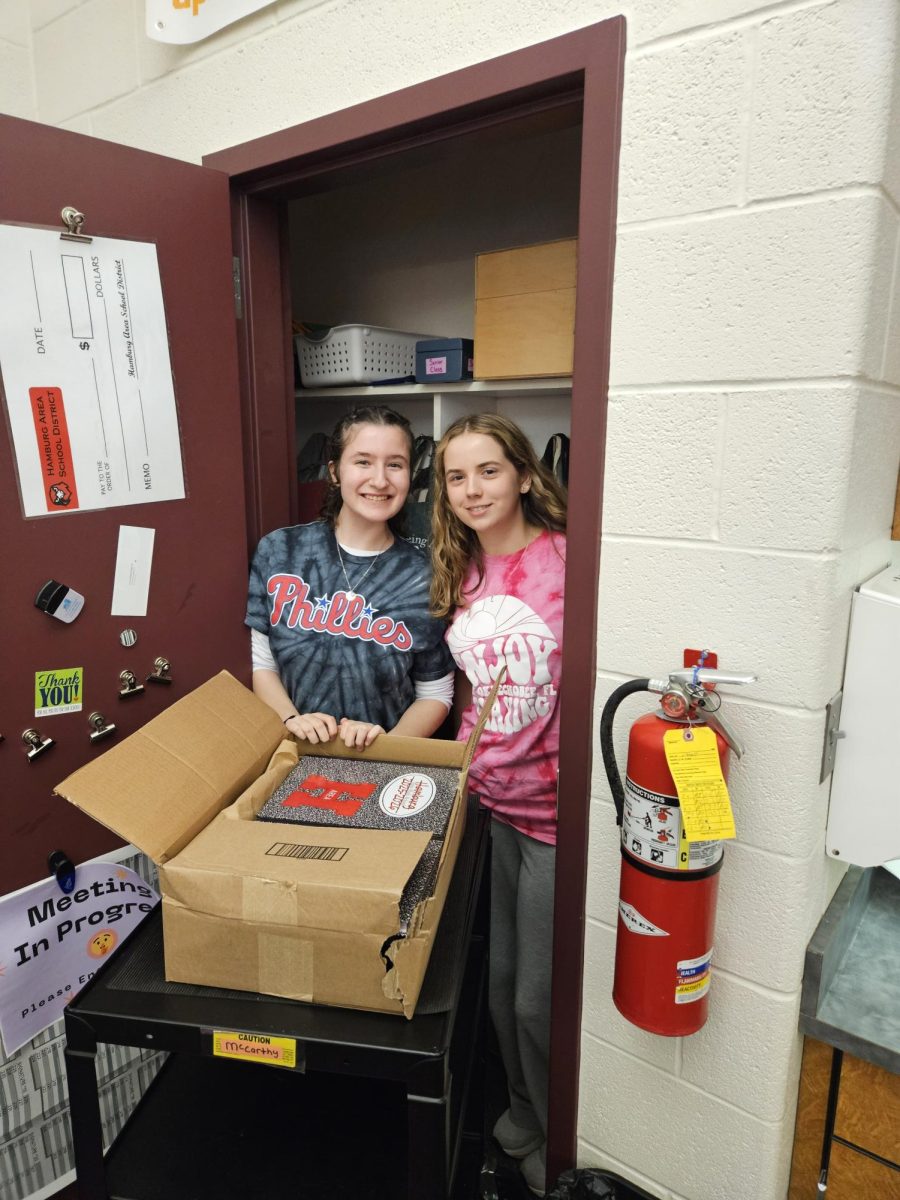






Video Communications is a class at HAHS that reflects the impact of video entertainment in popular culture. Students in the course make videos with positive messages and stories that often get presented during the morning announcements and assemblies. While the videos are short, a large amount of work goes into making them.
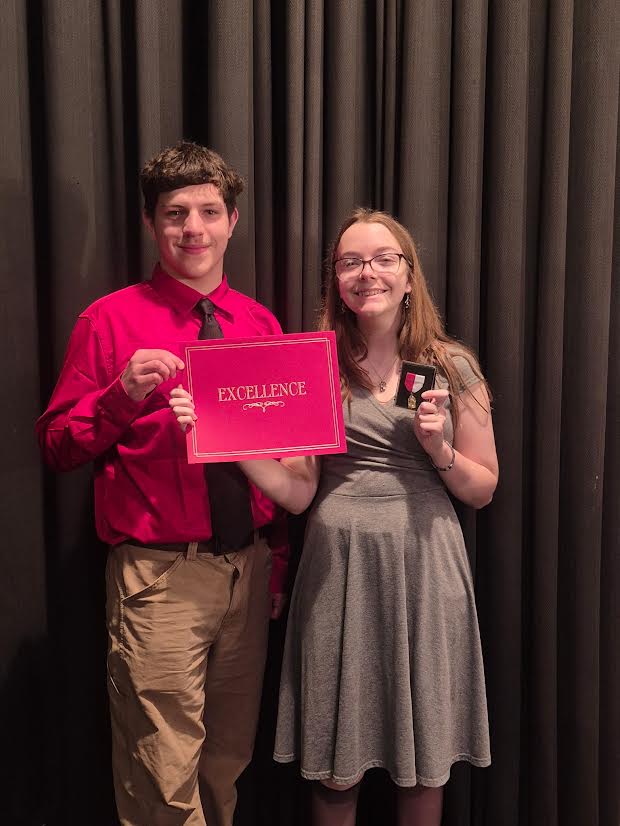
Cameron Bowen has been a student in Video Communications for two years and has enjoyed the filmmaking process. His assignments often consist of brainstorming feel-good videos and developing them into finished products. One of his most significant and complex projects was a Scooby Doo parody video from last year. The short film was a joint effort between the students in his class, who spread the workload and used the filmmaking process to create it, leading to the video seen by many at last year’s assembly.
Students in Video Communications followed a series of steps to create their Scooby Doo film. According to StudioBinder, the five steps of the filmmaking process are development, pre-production, production, post-production, and distribution. During development, ideas are brainstormed and put into a cohesive narrative. Cameron’s class brainstormed ideas for their video by watching parodies of various movies and shows and voting on their favorite, which was Scooby. They then shared a document and worked on a script that followed the show’s formula but contained original ideas. During the pre-production phase, the budget is made, tasks are assigned, and locations and actors are chosen. The project had no budget, and everyone used what they already had instead. Also, the prominent tasks given out included operating the camera, directing, and editing. In addition, the locations were chosen beforehand, in the development stage. Lastly, actors were picked based on their willingness to participate and a vote. One actor who took more work to get was Mr. McGinley, who had to be contacted for his role.
Production is the next stage of the filmmaking process, where the scenes are recorded with the actors following the script. Mrs. Eschbach, who runs the class, took a leading role in directing and keeping everyone on task and organized. She made sure the recorded footage was faithful to the script and gave ideas that helped shape the final film. However, the actors did not rehearse before filming, as the scenes were recorded during a single class period, leaving them little time for choreography. After the footage is recorded, post-production combines the video into a cohesive narrative. Everyone in the class was tasked with editing the footage individually. As such, there are multiple versions of the same short, though Cameron’s cut was used in the assembly.
The final stage of filmmaking is distribution, in which a film is advertised and shared with others for consumption. High-budget movies typically market their product to get returns on their investments. The Scooby Doo short was not advertised, however, and was distributed in an assembly for the enjoyment of others.
For more information, visit www.studiobinder.com/blog/stages-of-film-production/