













Weather and season play an important role in the everyday life of students, and the differences between Germany and the United States are larger than many people expect.
As a German exchange student at Hamburg Area High School, it quickly became clear that climate and seasonal routines create two very different school experiences.
One of the biggest differences appears during winter. In Pennsylvania, snow can lead to delays or even a full snow day. Students often stay home when the roads are unsafe, and the school Schedule adjusts. In Germany, this almost never happens. Even when there is snow, school usually continues as normal. Students travel by bus, train, or bicycle, and delays are expected but not a reason to cancel classes. Because snow days are extremely rare, the school year does not need many make-up days.
Seasonal darkness is another major difference. In Germany, winter days are much shorter, and it becomes dark early in the afternoon. Many students travel to and from school in the dark, especially in the northern regions. This affects daily routines, outdoor activities, and even the mood of students during the winter months. In the U.S. days in the winter are also short, but students often spend more time indoors at after- school activities, which reduces the impact of early sunsets.
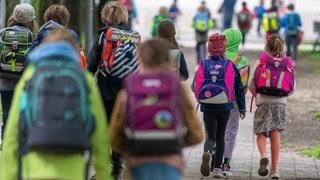
Rain is also more common in Germany. Students regularly walk or bike to school in rainy weather and carry umbrellas or rain jackets as part of their normal routine. In contrast, American students rely more on cars and school buses, which means weather changes do not influence transportation as much.
Even though the weather creates different challenges in both countries, students adapt to their environments in their own ways. German students grow used to early darkness, frequent rain, and independent transportation, while American students experience weather mainly through school buses, indoor activities, and occasional snow days. These contrasts show how climate shapes routines, expectations, and daily habits. Understanding these differences helps students see how life in another country is influenced not only by culture, but also by the season that guides everyday school life.